

Digital marketing with AI trends, analytics, content, email, and paid media. Build communities, boost engagement, and drive business growth.
Introduction to Digital Marketing. part-1
How to Connect with Customers Online Through Digital Marketing
Digital Marketing Guide: AI Trends, Sustainable Strategies, Channel Selection & Growth Tools Connect & Conquer: Your Digital Marketing Compass *Crafting an Unstoppable Strategy in a Hyper-Connected World*
In today’s hyper-connected world, successful business hinges on mastering the digital landscape. Yet, this online sphere is a dynamic and often unpredictable realm, constantly shifting and presenting new challenges. It seems with each passing sunrise, a novel utility, an innovative methodology, or a fresh trend emerges. This relentless pace understandably makes it difficult to discern a starting point. What truly delivers results? How should one allocate valuable time? What foundational elements are crucial for constructing an exceptional marketing framework? Together, at The Transcendent, we will resolve these complexities and guide you through the digital marketing maze.
With over fifteen years of experience guiding global leaders on their marketing trajectories, The Transcendent demystifies the noise. We cut through the hype, debunk prevalent misconceptions, and provide a tested, step-by-step methodology for cultivating your digital marketing prowess. This approach is designed not only to propel your business forward but also to ensure its adaptability amidst future shifts. This comprehensive journey encompasses everything from formulating your strategic vision to selecting the most appropriate digital channels, and to mastering the essential proficiencies required along the way. Whether your ambition is to expand your own venture or to lead a new team, you will acquire the confidence and capabilities needed for your digital marketing expedition right here. Let us commence.
Understanding the Digital Marketing Evolution
Modern digital marketing has transformed dramatically from its early days of simple banner advertisements and basic email campaigns. Today’s landscape requires a sophisticated understanding of multiple interconnected channels, consumer behavior patterns, and technological innovations that reshape how businesses connect with their audiences. The complexity stems from the sheer volume of available options. Social media platforms, search engine optimization (SEO), content marketing, influencer partnerships, automation tools, artificial intelligence (AI) applications, and emerging technologies like virtual reality (VR) experiences all compete for attention and budget allocation. Each channel demands specific expertise, distinct approaches, and continuous optimization to deliver meaningful results.
Strategic Framework Development: Your Blueprint for Success
Successful digital marketing begins with comprehensive strategic planning rather than jumping directly into tactical execution. This foundation requires thorough market research, competitor analysis, customer persona development, and clear objective setting that aligns with broader business goals.
Market research involves understanding industry trends, consumer preferences, seasonal patterns, and emerging opportunities within your specific sector. Competitor analysis reveals gaps in current market approaches, successful strategies worth adapting, and potential areas for differentiation. Customer persona development creates detailed profiles of ideal customers, including demographics, psychographics, pain points, and preferred communication channels.
Objective setting demands specificity, measurability, and realistic timelines. Rather than vague goals like “increase awareness,” effective objectives specify “achieve 25% growth in qualified leads within six months through targeted content marketing and search engine optimization.”
Platform Selection and Optimization: Reaching Your Audience Effectively
Choosing appropriate marketing channels depends on where your target audience actively engages, your available resources, and your specific business objectives. The most expensive or popular platforms may not align with your customer base or deliver optimal return on investment.
Social media platforms each serve different purposes and attract distinct demographics. Professional networks excel for business-to-business (B2B) relationships, visual platforms work well for lifestyle brands, and video platforms engage younger audiences effectively. Email marketing remains highly effective for nurturing relationships and driving conversions when executed strategically.
Search engine optimization (SEO) and pay-per-click (PPC) advertising capture high-intent prospects actively seeking solutions. Content marketing builds authority and trust over time while supporting other channels. The key lies in selecting platforms that complement each other and create cohesive customer experiences.
Advanced Tools and Technologies: Staying Ahead of the Curve
Recent developments in marketing technology have introduced sophisticated automation capabilities, artificial intelligence (AI)-powered personalization, and advanced analytics that provide deeper insights into customer behavior. Marketing automation platforms can nurture leads through personalized email sequences, social media scheduling tools maintain consistent presence, and customer relationship management (CRM) systems track interactions across multiple touchpoints.
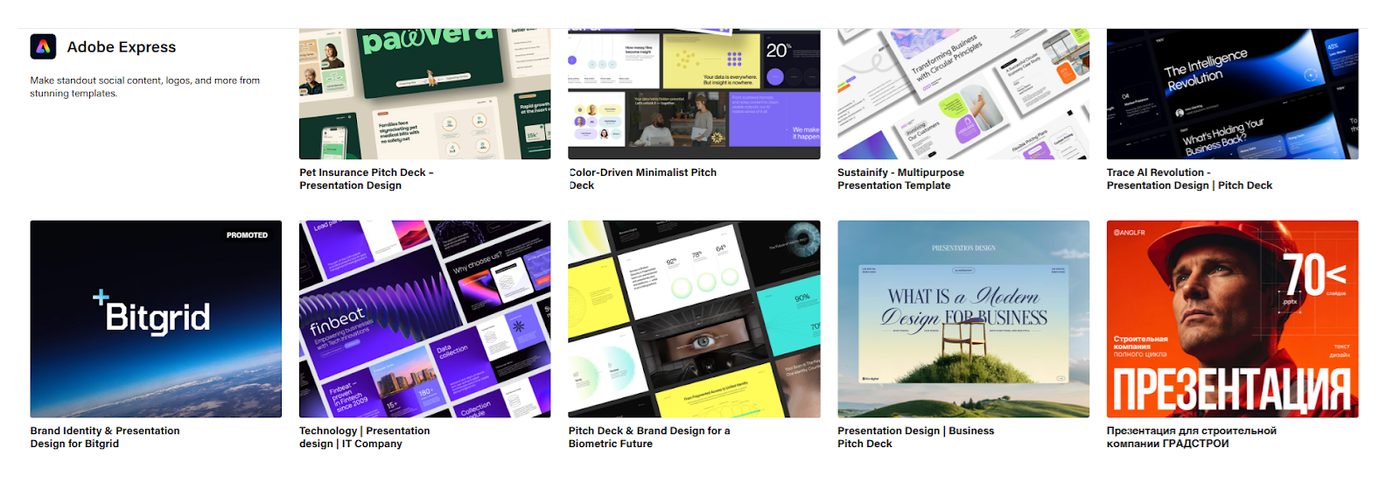
Artificial intelligence applications now enable predictive analytics, dynamic content optimization, and chatbot interactions that enhance customer experiences while reducing manual workload. Advanced versions of these technologies continue emerging, offering even more precise targeting capabilities and seamless integration opportunities. For instance, AI-driven platforms from industry leaders like Adobe now integrate generative capabilities for content creation and automation, allowing marketers to produce tailored campaigns at scale.
Data analytics tools have evolved beyond basic website traffic reports to comprehensive attribution modeling, customer lifetime value (CLTV) calculations, and predictive behavior analysis. These insights enable more informed decision-making and resource allocation.
Social media continues to dominate, but with a focus on experimentation—testing short-form videos, live streams, and influencer partnerships that yield the highest returns on investment. Trends like voice search optimization and augmented reality (AR) are no longer optional; they are core to engaging users across devices, with visual search tools evolving to let consumers find products via images or scans.
Sustainability and data privacy have also risen as priorities, pushing brands to adopt ethical practices that build trust, such as transparent data handling and eco-friendly messaging. Advanced strategies now emphasize omnichannel integration, where platforms converge—think seamless experiences from email to social to web, enhanced by tools like HubSpot for unified analytics. For those seeking cutting-edge options, consider AI marketing suites that automate SEO, social scheduling, and performance tracking, with 2025 updates featuring real-time adaptation to user behavior via machine learning. These evolutions build on traditional foundations but incorporate hyperscale video platforms that redefine content consumption, challenging older media formats.
In practice, starting with a solid framework means auditing your current channels and aligning them with these trends. For example, if social listening tools reveal audience preferences for authentic, visual content, pivot toward generative AI for quick asset creation. This ensures your efforts remain agile amid rapid shifts, like the growing role of AR in interactive ads or the emphasis on minimum engagement thresholds for viral success. By blending proven steps with these modern upgrades, your plan becomes future-proof, ready for whatever new tactic emerges next.
Implementation and Continuous Improvement: The Cycle of Success
Effective digital marketing requires systematic implementation with built-in flexibility for adjustments based on performance data. This involves creating content calendars, establishing workflows, setting up tracking mechanisms, and developing review processes that identify optimization opportunities.
Testing different approaches through controlled experiments reveals what resonates with your audience and drives desired actions. This includes testing various headlines, images, call-to-action phrases, posting times, and promotional offers to identify the most effective combinations.
Performance monitoring should focus on metrics that directly correlate with business objectives rather than vanity metrics that appear impressive but lack meaningful impact. Quality metrics include conversion rates, customer acquisition costs, customer lifetime value, and return on advertising spend (ROAS).
Conclusion: Your Predictable Path to Digital Marketing Success
Embarking on your digital marketing journey can feel overwhelming, but by focusing on clear strategy, effective channel selection, and continuous skill development, success is not just possible—it’s predictable. Remember, in digital marketing, much like life, if you don’t know where you’re going, any road will take you there… probably to an outdated, ineffective campaign. Building a successful digital marketing strategy isn’t about chasing every new trend; it’s about establishing a solid, adaptable foundation. By focusing on a clear strategy, the right channels, and continuous learning, you can create a framework that not only connects with customers today but also evolves to meet tomorrow’s challenges. The goal is to work smarter, not harder—because even the best-marketed coffee won’t brew itself! The difference between good and great marketing isn’t the tools you use – it’s how systematically you use them.
Ready to transform your digital presence? Visit The Transcendent for more insights and resources.
Digital Marketing Strategy: Step-by-Step Summary
| Step | Headline | Description or Statistic |
|---|---|---|
| 1 | Define Your Vision & Goals | Clarify what you want to achieve (e.g., 25% lead growth in 6 months). A clear vision reduces wasted effort by 30%. |
| 2 | Understand Your Audience | Develop detailed customer personas (demographics, psychographics, pain points). 80% of consumers are more likely to make a purchase when brands offer personalized experiences. |
| 3 | Research & Analyze Competitors | Identify market gaps and successful strategies. Businesses that conduct competitor analysis grow 20% faster. |
| 4 | Select Optimal Channels | Choose platforms where your audience actively engages (e.g., Social Media, SEO, Email, PPC). Email marketing consistently delivers a high ROI of $42 for every $1 spent. |
| 5 | Craft Compelling Content | Create valuable content for chosen channels. Businesses with blogs get 55% more website visitors. |
| 6 | Implement & Automate | Systematically execute campaigns using automation tools for efficiency. Marketing automation can increase sales productivity by 14.5% and reduce marketing overhead by 12.2%. |
| 7 | Leverage Advanced Tech (AI/AR) | Incorporate AI for personalization and predictive analytics, AR for immersive ads. 61% of marketers using AI saw increased revenue in 2023. |
| 8 | Monitor & Optimize | Track KPIs (conversions, CAC, ROAS, CLTV) and adjust strategies based on data. Companies using data-driven decision-making see 5-6% higher productivity. |
| 9 | Embrace Sustainability & Privacy | Build trust with ethical practices and transparent data handling. 88% of consumers want brands to help them be more environmentally friendly. |
| 10 | Continuous Learning & Adaptability | Stay updated with new trends and tools, ensuring your strategy remains flexible. The digital landscape evolves quarterly; agile adaptation is key. |
Frequently Asked Questions
Given the rapid evolution of the digital landscape, it’s prudent to review and potentially adjust your core strategy at least quarterly. Minor tactical tweaks based on performance data should be made even more frequently, as needed.
This depends on your audience and business goals, but generally, a strong foundation includes a well-optimized website, search engine optimization (SEO), and a strategic social media presence. Email marketing also remains a consistently high-ROI channel for nurturing leads.
While managing it in-house is possible, especially with the right foundational knowledge, an expert can often accelerate growth and avoid common pitfalls due to their specialized experience and access to advanced tools. Many businesses benefit from a hybrid approach, handling some activities internally while consulting experts for specialized tasks.
Key Performance Indicators (KPIs) such as website traffic, conversion rates, customer acquisition cost (CAC), return on ad spend (ROAS), and customer lifetime value (CLTV) are essential metrics to track. Focus on those that directly correlate with your business objectives.
AI significantly enhances personalization, automates repetitive tasks like content creation and social media scheduling, and provides predictive insights into customer behavior. In 2025, AI-driven platforms are crucial for generating tailored campaigns at scale and adapting to user behavior in real-time.